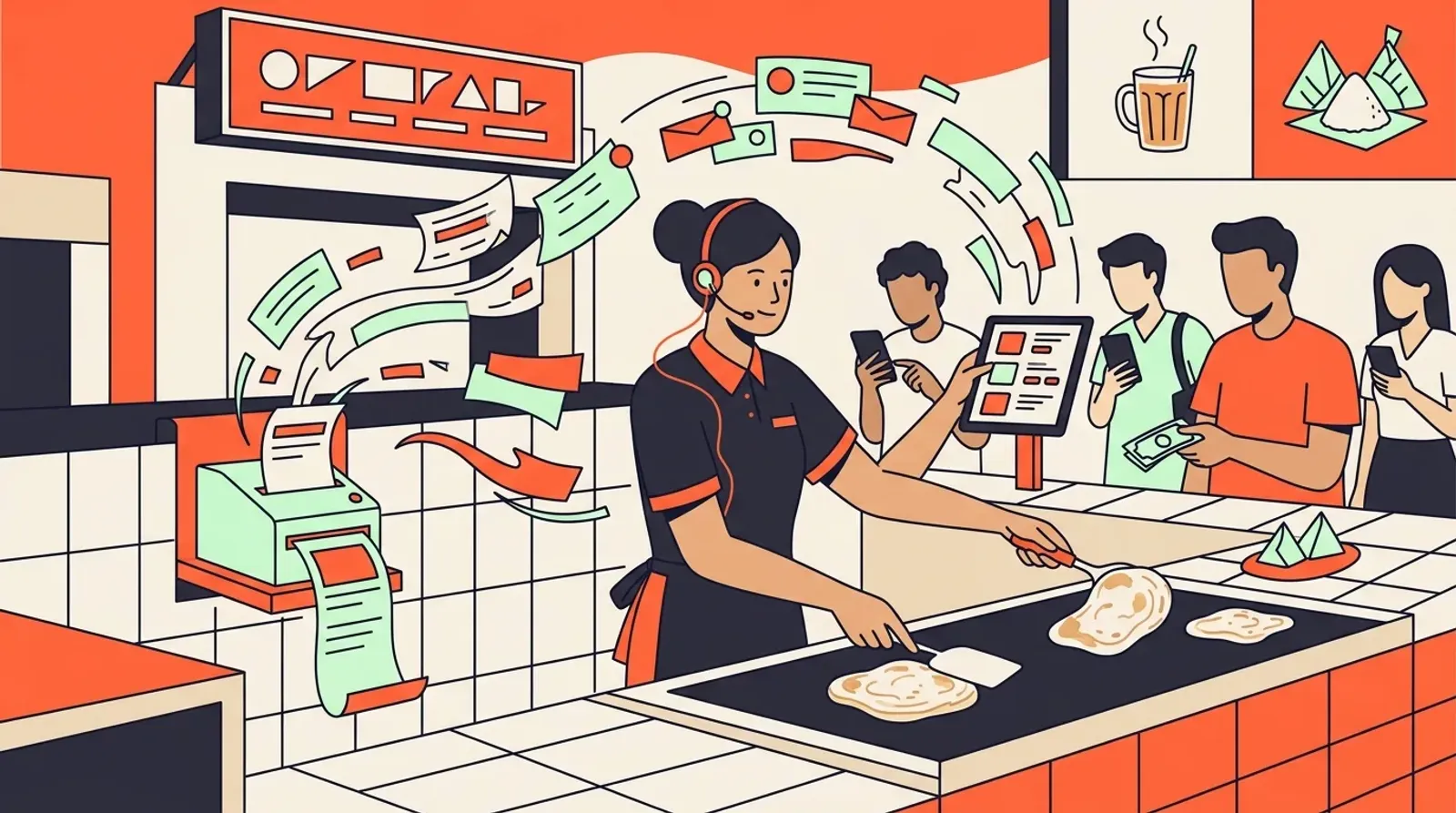
Overworked and underpaid? Learn what healthy work-life balance really means, spot the warning signs, and take back your personal time — starting today.
Still Waiting to Live? Fix Your Work-Life Balance
The System That Keeps You Working and Never Lets You Rest
You clock out exhausted. You get home, and there is nothing left — no energy for family, no time for yourself, just the slow countdown to the next shift.
That is not a personal failure. That is a system working exactly as it was designed.
The old staffing model runs on extraction. Unpredictable rosters. Delayed pay that arrives days after you earned it. Last-minute schedule changes that make planning your life impossible. Over time, workers stop expecting better. The overwork becomes invisible — just the way things are.
The ‘Always-On’ Trap
When you never know if you will get called in, you can never truly switch off. Your personal time stays on hold. Rest feels borrowed, not earned.
That constant low-level stress drains you before the shift even starts.
You Are the Hero Here
The broken system counts on you accepting this. But work-life balance is not a luxury — it is something you actively reclaim, one decision at a time.
The first step is recognising the enemy clearly: it is not your employer, and it is not you. It is the friction, the opacity, and the unpredictability built into how too many workers are still managed today.
That is exactly what you are here to fix.
What Work-Life Balance Actually Means (Not the Myth)
Most people picture work-life balance as a perfect 50/50 split — equal hours for work and life, every single day. That picture is wrong, and chasing it will exhaust you.
Real balance means feeling genuinely fulfilled in both your professional and personal life. Not equal time. Meaningful time.
The 8-8-8 Framework
A practical starting point is the 8-8-8 rule: roughly eight hours for work, eight hours for sleep, and eight hours for personal life. It is not a rigid formula. It is a compass — a way to notice when one area is quietly consuming the others.
Balance vs. Integration
Two valid approaches exist:
- Work-life balance keeps clear boundaries — work stops, personal life begins.
- Work-life integration blends both fluidly, fitting work around life’s demands.
Neither is superior. Choose the model that fits your reality.
Balance Is Not a Fixed Destination
Here is the part the myth ignores: balance shifts. A new job, a family change, a health challenge — each season of life demands a different arrangement. Expecting a permanent equilibrium sets you up to feel like you are constantly failing.
The goal is not perfection. It is honest, regular recalibration — adjusting before the imbalance breaks you.
Signs Your Work-Life Balance Is Already Broken
The broken system does not announce itself. It erodes quietly — until one day you realise you cannot remember the last time you felt rested.
Here are the signals worth taking seriously:
- You are always tired. Not just end-of-day tired. Tired before the day starts.
- You skip meals or eat at your desk because stopping feels like falling behind.
- You miss personal commitments — dinners, birthdays, rest days — and tell yourself it is temporary.
- You cannot switch off. Your phone stays face-up. Your mind replays work problems at midnight.
- You are slow despite long hours. This one is easy to miss. Low output after extended effort is a classic burnout signal, not a motivation problem.
The Honest Check-In
Ask yourself three questions at the end of today:
- Do I have any energy left for the people I care about?
- Was my personal time actually restful — or just recovery from work?
- Am I present in conversations, or still mentally at the job?
If the answers sting, that is useful information. Chronic stress left unaddressed becomes physical illness. The warning signs exist to be acted on — not ignored until the system breaks you completely.
Why Poor Work-Life Balance Makes You Sick — and Slow
The broken system tells you that pushing harder means achieving more. The evidence says otherwise.
Overwork Is a Health Risk, Not a Badge
The World Health Organization classifies occupational burnout as a legitimate workplace phenomenon — not weakness, not poor attitude. Chronic overwork drives elevated stress hormones, disrupted sleep, and a weakened immune response. Your body keeps score even when your schedule does not.
The Productivity Paradox
Here is the uncomfortable truth: working more hours often produces less quality output. Exhausted brains make slower decisions, miss errors, and lose creative range. You stay busy but stop being effective. The hours stack up; the results do not.
Rest Is a Performance Tool
Boundaries and recovery time are not luxuries for the uncommitted. They are the infrastructure that keeps your output sharp and your judgment sound. Elite performers in every field treat rest as deliberate training, not wasted time.
When the Schedule Itself Is the Problem
Unpredictable shifts and last-minute changes make genuine recovery almost impossible. Workers on fragmented, unreliable rosters rarely get the consistent downtime that restores performance. That is the enemy — not you, not your ambition. Tools like FlashJobs exist to bring order to chaotic scheduling, so rest becomes something you can actually plan for.
Practical Ways to Improve Your Work-Life Balance Right Now
Balance does not arrive on its own. You build it — one deliberate decision at a time.
Protect Your Hours Like a Meeting
Set a clear start time and a hard stop time every day. When work ends, it ends. Treat that boundary the same way you treat a confirmed shift — non-negotiable.
Use Micro-Breaks Intentionally
Short breaks are not laziness. Two minutes of deep breathing, a stretch between tasks, or stepping outside resets your focus and lowers stress accumulation. Stack several of these across your day.
Make Physical Health Non-Negotiable
Movement, sleep, and nutrition are inputs, not rewards. Cut one and your output suffers. Protect them the same way you protect billable hours.
Reduce Commute Drain
Long commutes silently consume the hours you planned to rest. Choosing work that is close to home — and shifts that match your actual availability — gives those hours back.
This is where unpredictable work arrangements do real damage. Workers stuck chasing distant, poorly timed jobs lose recovery time before they even clock in. Platforms like FlashJobs are built around nearby work and same-day pay, so you spend less time in transit and more time actually living.
How Unpredictable Pay and Schedules Destroy Balance — and What Changes It
The broken staffing system has a specific weapon against shift and gig workers: uncertainty. You finish a shift, then wait days — sometimes weeks — to see money you already earned. You check an app for tomorrow’s schedule and find nothing confirmed. That is not flexibility. That is financial anxiety dressed up as opportunity.
When Pay Is Delayed, Everything Suffers
Financial stress does not stay at work. It follows you home, disrupts sleep, and makes genuine rest impossible. You cannot switch off when you are calculating whether this week’s pay covers this week’s rent.
Taking Back Control
The fix is not working more shifts. It is removing the lag between effort and reward.
FlashJobs is built as emergency staffing infrastructure for Malaysia’s food and beverage industry. As a worker, you choose nearby shifts that fit your life. You get paid the same day. There are no gatekeepers deciding when your money arrives.
That single change — same-day pay, shifts near you — removes the financial pressure that quietly destroys balance for millions of shift workers.
You are not waiting on a system. You are running your own schedule.
Visit flashjobsapp.com to see shifts available near you today.
Building a Balance That Lasts: Your Long-Term Game Plan
Balance is not a destination. It is a practice you return to — weekly, monthly, whenever life shifts.
Audit Your Arrangements Regularly
Ask yourself three honest questions:
- Do my current hours leave room for rest and relationships?
- Does my pay arrive fast enough to reduce financial stress?
- Does my commute drain time I could spend recovering?
If any answer is no, something needs to change. Not someday. Now.
The Mindset That Keeps You Winning
The broken system — delayed pay, rigid schedules, platforms that treat you as disposable — is the enemy. You are not. Every time you choose a work arrangement that respects your time, you take back ground the old system stole.
That shift in thinking is not small. It is the foundation of every sustainable balance you will build from here.
Your Next Concrete Step
Stop waiting for a better situation to appear. Go find it.
Visit flashjobsapp.com to find shifts near you that fit your life — with same-day pay so your work finally works on your terms, not against them.
Balance is built one good decision at a time. This is one of them.
Looking for paid shifts near you? FlashJobs matches you to nearby F&B and retail shifts — direct wage pay, zero platform fees. Register early.